
Our friends and family frequently ask us, “Do screwtops indicate a wine is”cheap” or of lesser quality; why are there different corks; and how do you know if a wine is “corked?” So we’ve decided to look a little deeper into the issue but the bottom line is, no, screwtops alone do not indicate a wine is of lesser quality. There are many absolutely delcious wines that are sealed with screwtop closures. So let’s take a look at the variety of closures used and some of the factors that go into deciding which closure is appropriate. -EZ
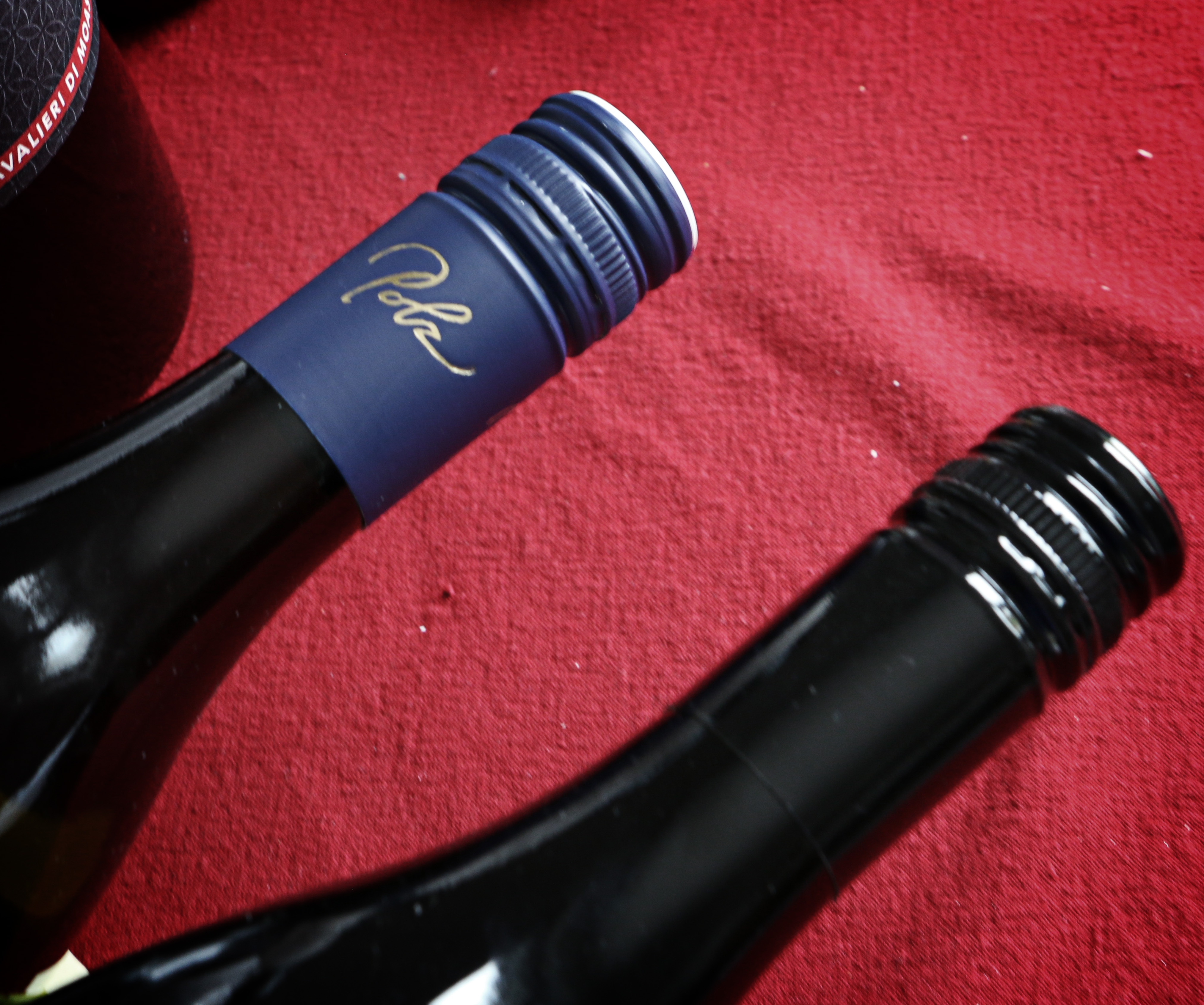 Screwtops, is there anything else in the wine world that inspires more discussion, judgement and misunderstanding than the sight of a screwtop? Well, okay, maybe boxed wine. Of all the winery tours and tastings we’ve been to, the debate of screw top closures vs. cork always comes up. Many winemakers and articles in wine and food magazines have fought to end the debate, but the fight continues regardless. It still appears that the preference for cork is deeply seated in tradition, pride and perception. It seems that no matter what the consensus or experience may demonstrate, in some regions, people just don’t want to see screwtops on their bottles yet. Winemakers have moved on to accepting screwtops for certain wines. In fact, Wine Spectator reported in 2008 that the Valpolicello winery Allegrini gave up its Valpolicella Classico DOC in order to use screwtops; however, it should be noted that I recently saw Allegrini Valpolicella Classico DOC, and no it did not have screwtops. Globally, we, the consumer, should also work to get over the perception that screwtops indicate only cheap or lower quality wines; it is just not the case. So why have many of the respected winemakers moved on to screwtop closures?
First, because cork introduces risk and higher cost to the winemaking process. Real cork (harvested from cork oak trees) costs more, about $0.50 to $1.00 per bottle. Cork, especially cork that is bleached or sanitized can be exposed to chemicals that create compounds known as trichloroanisols (TCA). TCAs create the moldy, wet cardboard or mildewy basement aromas and flavors that we recognize in a wine that is “corked.” While it is estimated only approximately 1% of high quality corks may taint wine with TCA, in 100,000 bottles of wine a 1% failure rate is substantial and that rate goes higher with lesser quality real cork. With so much competition in the wine market, it may only take one bad bottle for the consumer to choose a different bottle next time. While more advanced cork sanitation processes minimize the risk, it is understandable why a winemaker may look for alternatives.
Secondly many wines do not need cork closures. Cork closures allow small levels of oxygen into the bottle, albeit in seemingly negligible amounts. Over the course of years, as wines age this oxidation develops flavors and aromas in the wine. But not all wine is meant to be stored for many years. A wine with a higher pH (less acidity), lower alcohol %, and/or lesser tannins and structure simply cannot hold up to long storage. Therefore, the introduction of oxygen into the wine is not required, and in fact is unwanted. These wines are meant to be enjoyed young and do not need long storage. Another tell-tale sign that a wine is not meant to be stored for long is if it is bottled in a clear bottle. Light has many damaging effects on wine, effects that are minimized with brown or green glass. Either way, whether it be brown, green or white glass, wine should always be stored out out of direct sunlight. If clear glass is used, than it can be safely assumed that a screwtop closure is also sufficient, and the wine should be enjoyed within one to three years.
In addition to screwtops, winemakers have other closures to choose from as well. Below we’ll take a look at them. It is important to note that no matter what cork is used, wine bottles should always be stored on its side to ensure the cork remains moist. Should the cork dry out, wine can be exposed to bacteria or other harmful microorganisms, as well as excess levels of oxygen.
You may ask, “What do I do if I have a “corked” wine?” If you are at a good restaurant, the server or sommelier should recognize cork taint immediately and resolve the problem without issue. If the serve or sommelier (if one is present) does not, and you taste that signature mildewy/wet carboard taste, do not be afraid to bring it to the attention of your server. They should offer an alternative or different bottle. It should be noted that because you do not like the wine, does not mean the wine is faulty. If you buy a bottle and you open it at home only to find the wine is “corked,” you can take the bottle back to the wine store from where it was purchased and you may likely be offered replacement.
Real Corks: The majority of the world’s cork comes from Portugal and Spain. The most 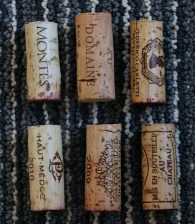 demanding of closures, bottles with cork closures must be stored on its side to prevent the cork from drying, shrinking and exposing the wine to damaging amounts of oxygen that would result in an oxidized wine.
Screwtops: A more affordable closure than cork stoppers and allows for zero air entry into the bottle. To reiterate, a screwtop closure alone is not an indicator of a lesser quality wine.
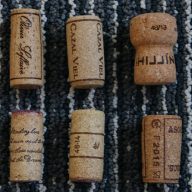 Agglomerate Corks: This is the cheapest form of cork stoppers. Agglomerate cork is made from cork dust and small bits of cork glued together and molded into a cork closure. In the photo below you can see agglomerated cork with natural cork discs on the top and bottom. This type of cork is also referred to as a 1+1 cork.
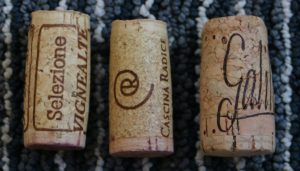
Sparkling Wine Corks: Have a wider base and are contained in the bottle by a cage to withstand the pressures within the bottle. As you can see in the picture the majority of the cork is agglomerated cork with natural cork disks 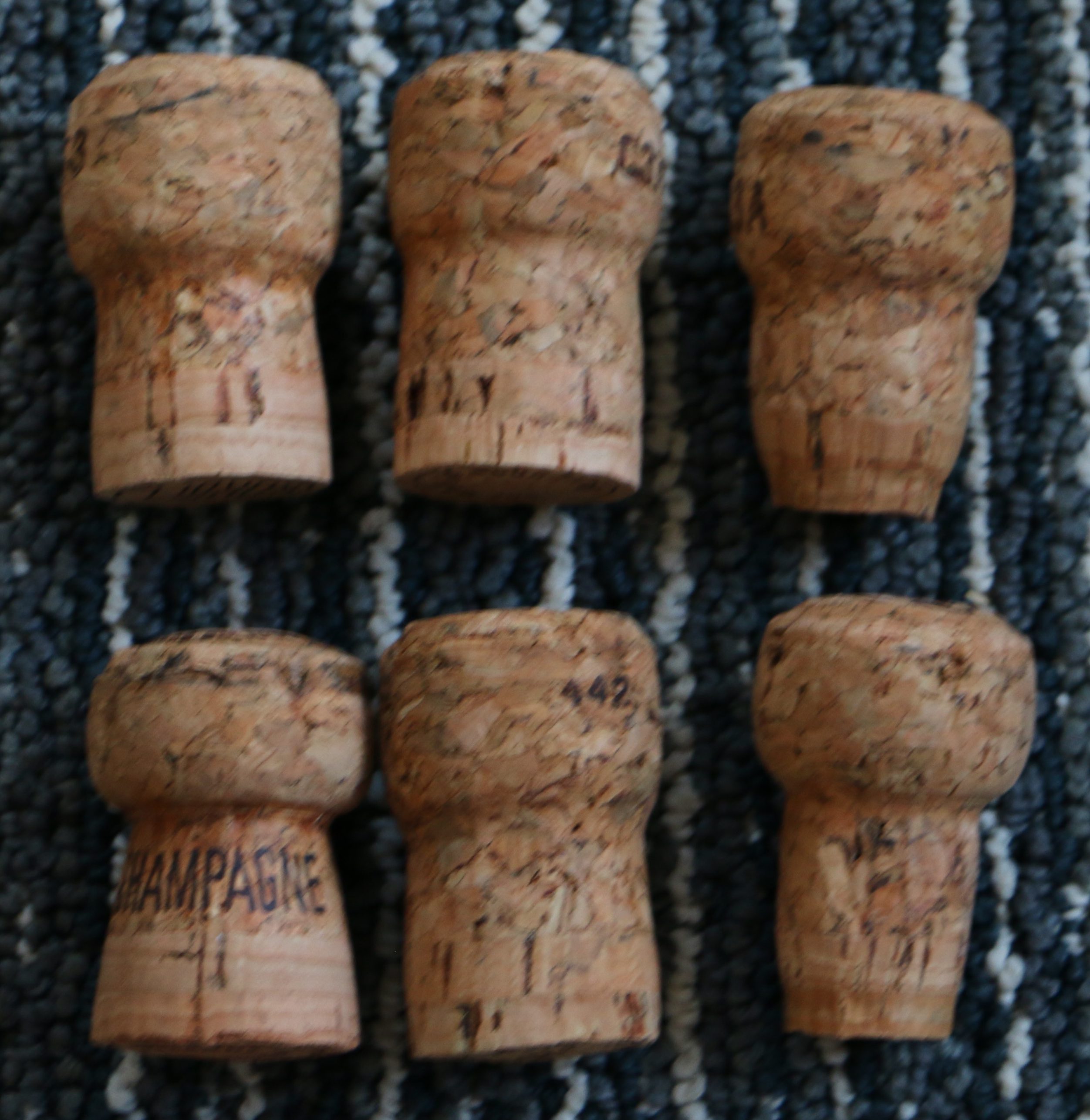 at the base. In traditional method or Méthod Champenoise sparkling wines, the cork is added after bottle fermentation (the process that makes the wine bubbly) is complete. Until that point some wineries simply use a bottle cap like those found on beer bottles or old glass soda bottles.
Colmated Corks: According to corksupply.com pre-washed natural corks are placed in a revolving drum and a food-grade approved adhesive agent is added. The corks are tumbled until the adhesive is evenly distributed around each cork, and natural cork dust is added to the drum. As the corks tumble, the mixture creates a film that coats the entire surface of each cork, effectively sealing and masking blemishes. After a brief settling period, the corks are tumbled again to remove excess dust.
Synthetic Corks: While there still seems to be some debate over the long-term effects of using synthetic cork (whether the plastics leach unwanted chemicals into the wine and/or if that affects the wine), many winemakers are turning to synthetic corks as more affordable alternative to real cork closures. We’ve typically only seen synthetic 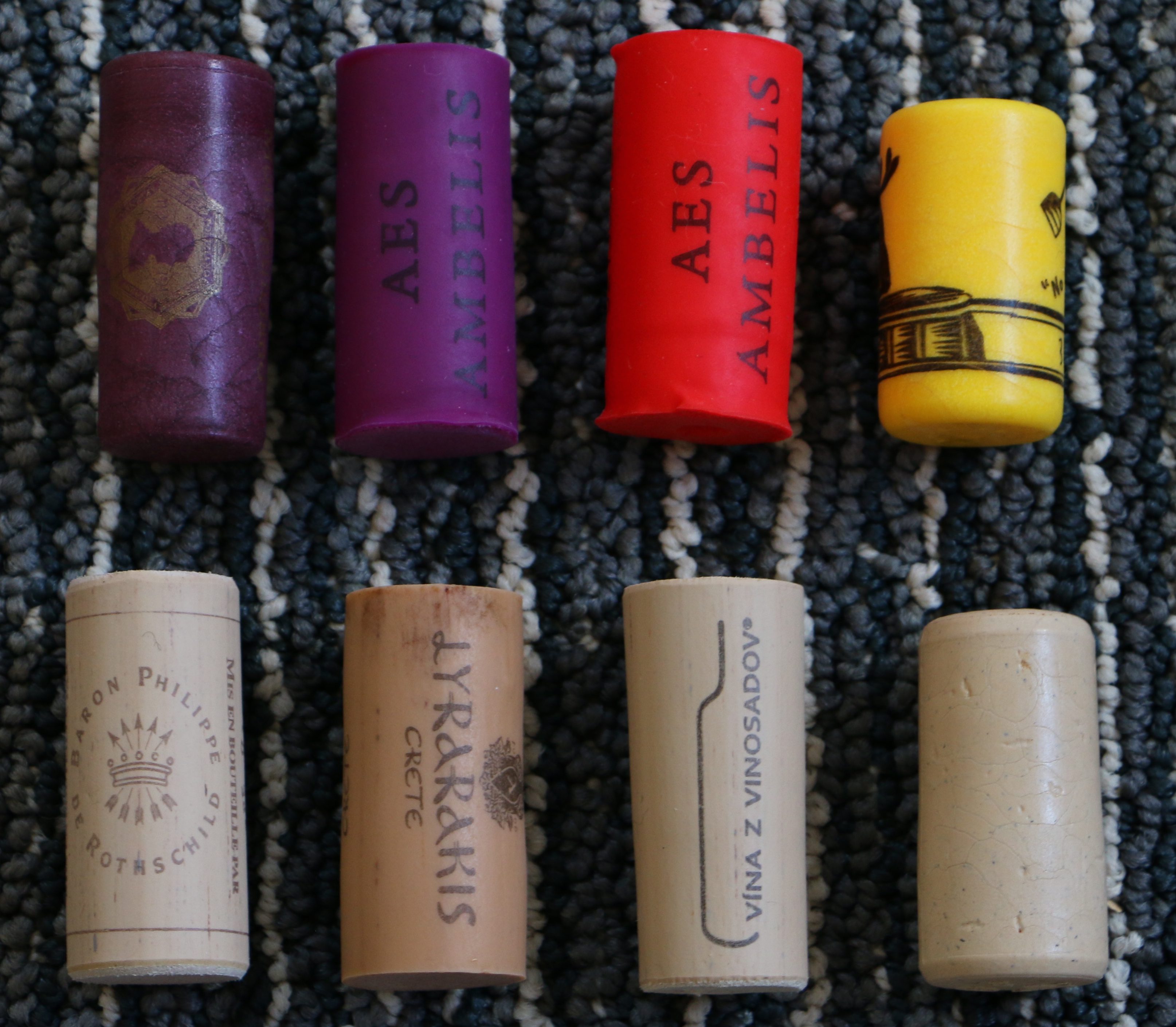 corks in wines that are not intended for long storage, but it will be interesting to see if more wineries begin to use synthetic corks for wines worthy of long term storage. Another benefit of synthetic cork is they are simplest to sanitize, do not absorb wine, but also do not dry out; preventing the wine from becoming oxidized when not stored on its side.



 The Vine and Thistle